

This post contains affiliate links, which means I may earn a small commission if you make a purchase through my links at no extra cost to you. I only ever recommend products I personally use and trust. Your support helps me keep this blog going and I appreciate it more than you know!
If you have MTHFR, you have probably already learned that supplements matter, specifically that methylfolate is not the same as folic acid and that what you put in your body in supplement form makes a real difference. But the food side of the equation gets talked about a lot less, and it matters just as much.
Here is the honest truth: you cannot supplement your way out of a diet that is working against you. And you cannot eat your way to optimal methylation without the right supplementation either. The two work together. This post is the food half of that equation, what to prioritize, why each category matters, and what to be aware of on labels.
I want to be clear that eating for MTHFR is not about being perfect. It is about making more choices that support your body’s ability to do what it is trying to do, and fewer choices that make that harder. Small consistent shifts over time is the whole game. 🌿
Why Food Matters for MTHFR
Individuals with MTHFR mutations, especially those with the common C677T or A1298C variants, often experience a 40 to 70% reduction in MTHFR enzyme activity depending on whether they carry one or two mutated copies of the gene. This means your body struggles to convert dietary folate into its active usable form even when you are technically eating enough of it.
The goal of eating for MTHFR is to support methylation from multiple angles simultaneously, providing natural folate your body can use more readily, delivering the cofactor nutrients that support the methylation process alongside folate, reducing inflammation that impairs methylation, and eliminating the synthetic folic acid that can accumulate and cause problems when conversion is impaired.
The Most Important Food Category: Natural Folate Sources
Natural food folate is not the same as synthetic folic acid. Food folate comes in various forms that your body handles differently than the synthetic version, and while your MTHFR enzyme still has to do some conversion work, it is generally a less demanding process than converting synthetic folic acid, and natural folate does not carry the same accumulation risk.
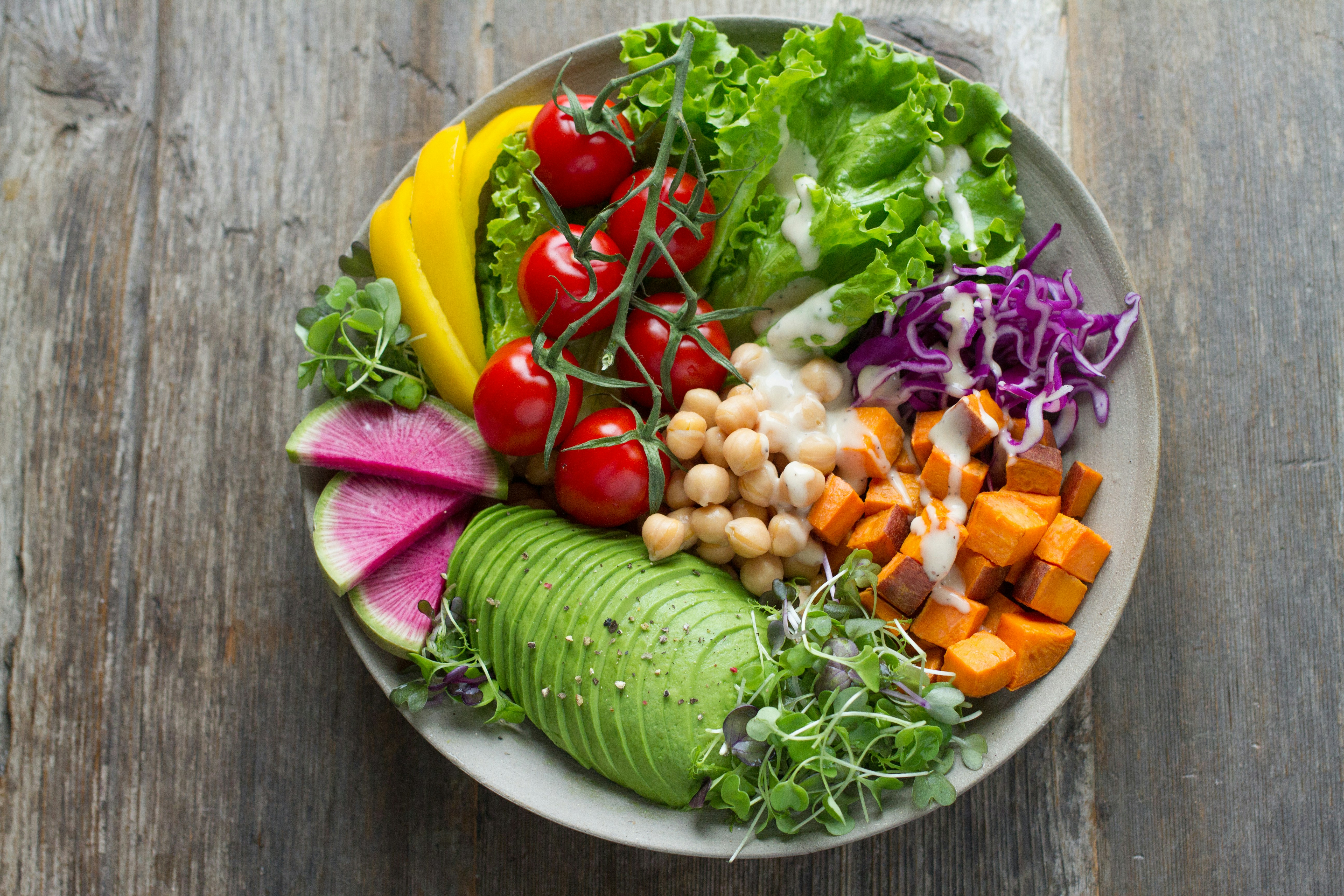
Dark leafy greens — are the foundation of an MTHFR-supportive diet. Spinach, kale, Swiss chard, romaine, arugula, and collard greens are among the richest natural folate sources available. These are not just good for MTHFR, they are anti-inflammatory, rich in magnesium, and packed with the antioxidants your body needs to manage the oxidative stress that comes with impaired methylation. Make these the base of as many meals as possible.
Asparagus — is one of the highest folate-per-serving vegetables available and also contains riboflavin (B2), a cofactor that is specifically required for MTHFR enzyme function.
Broccoli and other cruciferous vegetables — broccoli, Brussels sprouts, cauliflower, and cabbage, deliver natural folate alongside sulforaphane, a compound that actively supports detoxification pathways. For people with MTHFR whose detoxification is already impaired, sulforaphane is particularly worth prioritizing.
Beets — are a meaningful source of natural folate and betaine, a methyl donor that directly supports methylation. Roasted, raw, juiced, or pickled, beets are one of the more underappreciated MTHFR-supportive foods.
Avocados — provide approximately 90mcg of natural folate per medium fruit alongside healthy fats that improve the absorption of fat-soluble nutrients. They also deliver potassium, vitamin E, and fiber, all supportive for the broader health picture that comes with MTHFR.
Legumes — lentils, black beans, chickpeas, kidney beans, are excellent natural folate sources that also provide fiber, protein, and B vitamins. A cup of cooked lentils contains over 350mcg of natural folate. One important note: for people specifically managing MTHFR and cardiovascular risk, some practitioners recommend moderating legume intake due to the DCM-adjacent concerns raised in research. This is worth discussing with your functional medicine practitioner if cardiac concerns are relevant for you.
Citrus fruits — oranges, lemons, grapefruit, limes, contribute meaningful amounts of natural folate alongside vitamin C, which supports iron absorption and reduces oxidative stress.
Eggs — The Most Complete Single MTHFR Food
Eggs deserve their own section because they are genuinely one of the most valuable foods for MTHFR across multiple mechanisms at once.
Eggs are one of the richest dietary sources of choline, a methyl donor that directly supports methylation. They provide naturally occurring B12 in a highly bioavailable form. They deliver riboflavin (B2), the cofactor required for MTHFR enzyme function. The yolk contains naturally occurring folate. And the protein quality of eggs is among the highest of any food, providing the amino acids required to build and repair the structures that methylation supports.
If you eat eggs, eat the whole egg. The yolk is where most of the MTHFR-relevant nutrition lives. Pasture-raised organic eggs where possible, since the fatty acid profile and nutrient density is meaningfully better than conventional.
Quality Protein — Why It Matters More Than You Think
It is essential for proper methylation to get high-quality protein. Methylation requires amino acids, particularly methionine, which is the starting point for the methylation cycle, and glycine, which is produced when the cycle runs properly.
Grass-fed beef and lamb — provide methionine, B12, zinc, and iron in highly bioavailable forms. They are among the most nutrient-dense foods available for supporting methylation.
Wild-caught fish — particularly salmon, sardines, mackerel, and herring, provide B12, omega-3 fatty acids that reduce neuroinflammation, and in the case of small oily fish, selenium which supports glutathione production.
Pasture-raised poultry — chicken and turkey are good B6 sources, and B6 is a critical cofactor in the trans-sulfuration pathway that provides an alternative route for processing homocysteine when methylation is impaired.
Organ meats — liver in particular, are among the most nutrient-dense foods on earth for MTHFR. Beef liver contains naturally occurring B12, folate, B6, riboflavin, choline, and zinc in concentrations that far exceed muscle meat. Even a small serving once a week makes a meaningful difference to methylation cofactor status. If the taste or texture is a barrier, desiccated liver capsules are a palatable alternative. I take these ones and there is no taste or after taste.
Magnesium-Rich Foods
Magnesium is involved in over 300 enzymatic reactions including methylation itself, and most people with MTHFR are deficient. Diet alone is rarely sufficient to correct magnesium deficiency in MTHFR, supplementation with magnesium glycinate is almost always necessary, but eating magnesium-rich foods supports the overall picture.
Foods particularly high in magnesium include dark leafy greens (spinach is among the highest), pumpkin seeds, almonds, cashews, dark chocolate (70% or higher, in reasonable amounts), avocado, legumes, and whole grains.
Dark chocolate deserves a specific mention because it is genuinely meaningful: 70%+ dark chocolate provides magnesium, antioxidant flavonoids, and even small amounts of natural folate. It is one of the more enjoyable additions to an MTHFR-supportive diet.
Foods Rich in B Vitamins
Multiple B vitamins beyond folate are critical cofactors for methylation. Getting them from food alongside supplementation creates the most complete support.
B2 (Riboflavin) — specifically required for MTHFR enzyme function. Found in spinach, asparagus, mushrooms, almonds, avocado, eggs, and grass-fed meat. Without adequate riboflavin, methylation cannot function properly regardless of how much methylfolate you take.
B6 (Pyridoxine) — supports the trans-sulfuration pathway and helps regulate homocysteine. Found in poultry, fish, potatoes, bananas, and chickpeas.
B12 (Cobalamin) — works directly with methylfolate to convert homocysteine back to methionine. Found primarily in animal products: meat, fish, eggs, and dairy. This is why people following plant-based diets need to be particularly attentive to B12 supplementation with MTHFR.
Choline — a methyl donor found primarily in eggs, liver, and to a lesser extent in fish, poultry, and some legumes. Choline’s role in methylation is often overlooked and it is one of the most undersupplied nutrients in the typical Western diet.
Anti-Inflammatory Foods Across the Board
Chronic inflammation and impaired methylation feed each other in a loop, impaired methylation increases inflammatory signaling, and chronic inflammation further impairs methylation. Breaking this cycle through diet is one of the most impactful things you can do.
Omega-3 fatty acids from wild-caught fish, walnuts, and flaxseed reduce neuroinflammation and systemic inflammatory markers. For people with MTHFR dealing with mood dysregulation, brain fog, and chronic pain, omega-3s are a consistent evidence-backed dietary intervention.
Colorful fruits and vegetables across the spectrum provide antioxidants that reduce oxidative stress, one of the core consequences of impaired methylation. Berries in particular are rich in anthocyanins and polyphenols that support both the immune system and brain health.
Turmeric with black pepper — curcumin, the active compound in turmeric, is one of the most studied anti-inflammatory compounds available. Black pepper significantly increases its bioavailability. Used regularly in cooking it provides meaningful ongoing anti-inflammatory support.
Fermented foods — kefir, sauerkraut, kimchi, miso, support gut health and the gut microbiome, which directly affects nutrient absorption including folate and B vitamins. If your gut is not absorbing nutrients efficiently, no amount of dietary folate will fully compensate.
What to Be Aware of on Labels
Folic acid in fortified foods — this is the most important label awareness for MTHFR. Folic acid is added to most enriched flours, breads, pastas, cereals, crackers, energy bars, and many conventional multivitamins. Choosing organic grains where possible reduces this exposure since organic products are not required to be fortified. Reading labels on packaged foods for “folic acid” or “folate” in the ingredients list, not the nutrition facts panel, tells you whether it has been added.
An important update worth knowing: In May 2025, the CDC updated its guidance to note that people with MTHFR variants can process folic acid, and that 400mcg daily can help prevent neural tube defects during pregnancy. This does not change the general recommendation to prioritize methylfolate in supplements over folic acid, and high doses of folic acid remain worth avoiding. But it is a nuance worth being aware of, particularly if you are pregnant or planning pregnancy, and worth discussing with your provider.
Alcohol — depletes folate and other B vitamins and places extra demands on detoxification pathways that are already compromised with MTHFR. Not a moral judgment, just a practical reality worth knowing.
Ultra-processed foods broadly — anything that requires a chemistry degree to read the ingredient list is asking your body’s already-impaired detoxification system to process a long list of additives. Every processed food you reduce and replace with a whole food equivalent is one less burden on a system that is working hard.
Putting It Together Without Overwhelm
You do not need to overhaul everything at once. Here is the simplest possible starting point:
Add one large serving of dark leafy greens every day. This single change delivers more natural folate, magnesium, riboflavin, and antioxidants than almost anything else you could do through diet alone.
From there, build gradually. Add eggs to your routine if you eat them. Prioritize quality protein. Start reading labels for folic acid. Add fermented foods for gut support.
And remember that diet is the foundation but supplementation is almost always necessary for people with MTHFR because even the most folate-rich diet cannot fully compensate for a 40 to 70% reduction in enzyme activity. Diet and supplements work together, neither replaces the other.
You can find the supplements I personally take and trust on my Supplements and Wellness page. 🌿
— Ashley
Find all my MTHFR supplement and wellness recommendations at lowtoxliving.carrd.co
Please note: I am not a doctor or medical professional. Everything I share is based on my personal experience and research. Always consult a qualified healthcare provider before making significant dietary changes, especially if you have existing health conditions or are pregnant.
Leave a Reply