

This post contains affiliate links, which means I may earn a small commission if you make a purchase through my links at no extra cost to you. I only ever recommend products I personally use and trust. Your support helps me keep this blog going and I appreciate it more than you know!
If you have spent any time in the natural wellness space you have almost certainly seen ashwagandha mentioned. It shows up in stress supplements, sleep formulas, hormone support blends, and adaptogen stacks of every kind. But what is it actually, what does the research say it does, and how do you know if what you’re buying is worth taking?
This post covers all of it, the science, the benefits, what to look for, what to avoid, and the specific one I take and why.
What Is Ashwagandha
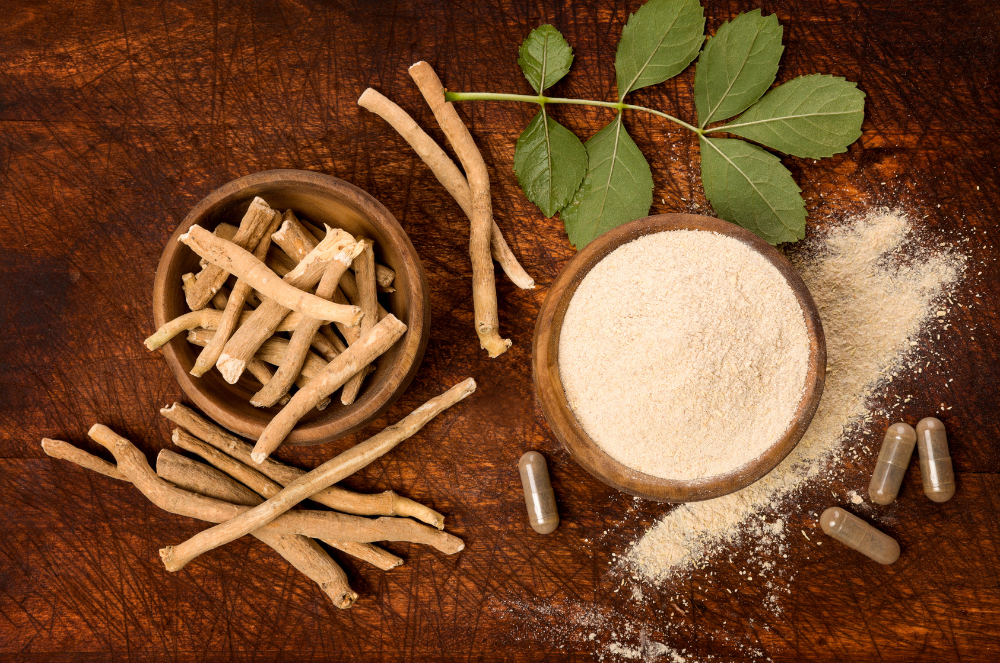
Ashwagandha, known botanically as Withania somnifera, is a root herb that has been used in Ayurvedic medicine for thousands of years. Its name in Sanskrit roughly translates to “smell of horse,” which is not the most appealing marketing angle, but the reference is to the strength and vitality the herb was traditionally associated with rather than the literal aroma.
It is classified as an adaptogen, which means it helps the body adapt to and manage stress more effectively, not by sedating you or artificially suppressing your stress response, but by supporting the biological systems that regulate how your body responds to stress in the first place.
The active compounds in ashwagandha are called withanolides, a group of naturally occurring steroidal lactones found primarily in the root. Withanolides are considered the major active component in ashwagandha, and quality extracts are standardized to contain a specific minimum amount. This standardization is one of the most important things to look for when buying, and we will get into that in detail below.
What Ashwagandha Actually Does
Cortisol and Stress Response
This is the most well-researched benefit and the one with the strongest evidence behind it. Human studies show that 240 to 600mg per day of standardized ashwagandha can reduce cortisol levels by 25 to 40 percent. Cortisol is your primary stress hormone, and chronically elevated cortisol is linked to weight gain, poor sleep, anxiety, hormonal imbalance, immune suppression, and inflammation. If you have MTHFR, cortisol dysregulation is an especially relevant concern since impaired methylation affects how efficiently your body processes and clears cortisol.
Research shows ashwagandha reduces morning cortisol and DHEA-S (a stress-related adrenal hormone) levels and increases heart rate variability, improves sleep quality, alleviates anxiety symptoms, and reduces fatigue.
Sleep
Studies consistently show that ashwagandha supplementation at 250 to 600mg daily for 4 to 12 weeks significantly improves sleep quality, sleep latency, and sleep efficiency. These effects are largely due to modulation of the hypothalamic-pituitary-adrenal axis, cortisol reduction, and enhancement of GABAergic and serotonergic pathways.
In plain terms: ashwagandha helps you fall asleep faster, stay asleep longer, and wake up feeling more rested. One 10-week trial found that people taking 600mg of standardized ashwagandha root fell asleep approximately 30 percent faster and rated their overall sleep quality 72 percent higher by the study’s end.
I personally take ashwagandha specifically for sleep support and nightmare reduction, alongside L-theanine, and the difference in my sleep quality has been real and noticeable.
Anxiety and Mental Health
Research suggests ashwagandha supplements may help relieve stress and anxiety. In a study with 58 participants, those who took 250 or 600mg of ashwagandha extract for 8 weeks had significantly reduced perceived stress levels.
Ashwagandha may also help with depression due to its components including alkaloids and withanolides, which modulate neurotransmitter systems. For anyone dealing with mood dysregulation connected to chronic stress, cortisol imbalance, or MTHFR-related neurotransmitter issues, this is worth paying attention to.
Cognitive Function
Studies show ashwagandha can improve reaction time and recall by up to 14 percent. Brain fog is one of the most common and most debilitating symptoms reported by people with MTHFR and chronic illness, and anything that supports cognitive clarity without synthetic stimulants is worth knowing about.
Thyroid Support
Research shows ashwagandha can lower borderline high TSH levels by 17 percent within eight weeks. This is relevant because thyroid dysfunction is commonly associated with both MTHFR mutations and chronic stress, and subclinical thyroid issues often go unaddressed in conventional medicine.
Hormonal Health
Research has also examined ashwagandha’s effects on sexual health and hormonal balance in women, with a 2025 prospective randomized double-blind placebo-controlled study finding improvements in sexual health outcomes in healthy women. Hormonal balance, libido, and vitality are all areas where adaptogenic support can make a meaningful difference, particularly for people dealing with chronic illness and stress-related hormonal disruption.
What to Look For in a Quality Ashwagandha Supplement
Not all ashwagandha supplements are created equal. The difference between a product that does something and one that does nothing often comes down to a few specific things.
Root extract, not root powder
The withanolides responsible for ashwagandha’s benefits are concentrated in the root extract. Whole root powder contains far lower concentrations of active compounds. Look for products that specify “root extract” not just “ashwagandha root” or “ashwagandha powder.”
Standardized withanolide content
A quality ashwagandha supplement will tell you exactly what percentage of withanolides it contains, typically 2.5 to 5 percent minimum. If the label does not mention withanolide standardization at all, the product is likely underpowered.
KSM-66 or Sensoril designation
These are the two most clinically studied and quality-verified ashwagandha extract forms. KSM-66 is a full-spectrum root extract and is the form used in the majority of high-quality human trials. Sensoril uses both root and leaf and tends to have a slightly higher withanolide concentration. Either is a reliable sign that you are getting a research-backed extract rather than a generic powder.
Organic certification
Ashwagandha is a root that absorbs compounds from the soil it grows in. Organic certification matters here more than with some supplements because it reduces the risk of pesticide contamination in the final product.
Third-party testing
Look for supplements that are third-party tested for purity, potency, and contaminants. This is especially important for herbal supplements where the raw material quality can vary dramatically by source and harvest.
Minimal additional ingredients
The capsule itself should contain ashwagandha extract and as little else as possible. Watch for unnecessary fillers, artificial flow agents, synthetic preservatives, or proprietary blends that obscure how much of each ingredient you are actually getting.
What to Avoid
Leaf-only or whole plant products — the root is where the therapeutic compounds concentrate. Leaf-heavy formulas tend to have higher withanolide numbers on paper but different compound profiles that are less well-studied for the stress and sleep benefits most people are after.
Products without withanolide percentages listed — if a brand is not transparent about standardization, you have no way to know whether you are getting a therapeutic dose or a token amount.
Proprietary blends — when ashwagandha is listed inside a “stress blend” or “adaptogen complex” alongside six other herbs without individual amounts listed, you cannot verify whether the ashwagandha dose is meaningful.
Extremely low prices — quality ashwagandha extract from verified organic sources costs what it costs. A $5 bottle of 120 capsules is almost certainly whole root powder with negligible withanolide content.
Products with unnecessary additives — fillers, artificial colors, magnesium stearate in large amounts, titanium dioxide, or synthetic preservatives have no place in a supplement you are taking for wellness.
What I Take and Why
I take ORGANIC INDIA Ashwagandha Capsules — organic certified, root-based, clean ingredient list, and from a brand with a genuine commitment to sourcing transparency and Ayurvedic integrity. I started taking it specifically for sleep support and nightmare reduction alongside L-theanine, and it has been a consistent part of my nightly routine since.
You can find it and others on my Supplements and Wellness page.
A Few Things Worth Knowing Before You Start
Ashwagandha is generally considered safe and well-tolerated, though more long-term research is still needed to fully assess its safety profile. A small number of people report mild gastrointestinal upset, particularly when taking it on an empty stomach. Taking it with food or in the evening tends to minimize this.
It is worth noting that ashwagandha can interact with thyroid medications, immunosuppressants, and sedatives, so if you are on any of these, check with your doctor before adding it. Pregnant women are generally advised to avoid it.
As always I am not a doctor. Everything I share is based on my personal experience and research. Talk to a qualified healthcare provider before starting any new supplement, particularly if you have existing health conditions or take medications.
The Bottom Line
Ashwagandha is one of the more genuinely well-researched herbal supplements available, with consistent human trial evidence behind its cortisol-lowering, sleep-improving, and anxiety-reducing effects. For people dealing with chronic stress, poor sleep, brain fog, or hormonal dysregulation, which describes a significant portion of the MTHFR and chronic illness community, it is worth serious consideration.
Just make sure what you are buying is actually standardized root extract from a quality source, because the supplement market is full of products that borrow the reputation of the herb without delivering its benefits.
🌿 — Ashley
Find all my recommendations at lowtoxliving.carrd.co
Please note: I am not a doctor or medical professional. Everything I share is based on my personal experience and research. Always consult a qualified healthcare provider before starting any new supplement.
Leave a Reply